




With Ukrainian forces recording their strongest territorial gains in more than two years, Kyiv is moving to capitalize on the momentum — presenting allied governments with a request for an additional $20 billion in military funding to sustain the pressure on Russian lines.
The proposal, first reported by Politico's European edition, is being structured as a burden-sharing arrangement in which individual allies would each contribute between $2 billion and $6 billion, either as direct aid or loans, to meet the $20 billion collective target. Defense Minister Mykhailo Fedorov has already discussed the framework with counterparts from Norway, Sweden, Germany, and Canada, according to Ukrainian officials.
The timing of the push is not coincidental. In May alone, Ukrainian forces regained control of or cleared Russian positions from roughly 250 square kilometers of territory, while Russian troops captured only 130 square kilometers over the same period, according to data compiled by the Ukrainian military outlet Militarnyi. The Institute for the Study of War estimated that Russian forces captured or penetrated around 40 square kilometers in May while losing control of approximately 280 square kilometers — figures that, while differing in methodology, point in the same direction. It marks the first time in roughly two and a half years that Ukraine has consistently reclaimed more ground than it has lost.
Russian forces seized an average of 2.9 square kilometers per day in the first third of 2026, compared with an average of 9.76 square kilometers per day during the same period in 2025, according to ISW analysis — a sharp decline in Moscow's rate of advance. Ukrainian commanders attribute the shift in part to the expanded use of long-range strike drones, which have disrupted Russian logistics and rear-area operations.
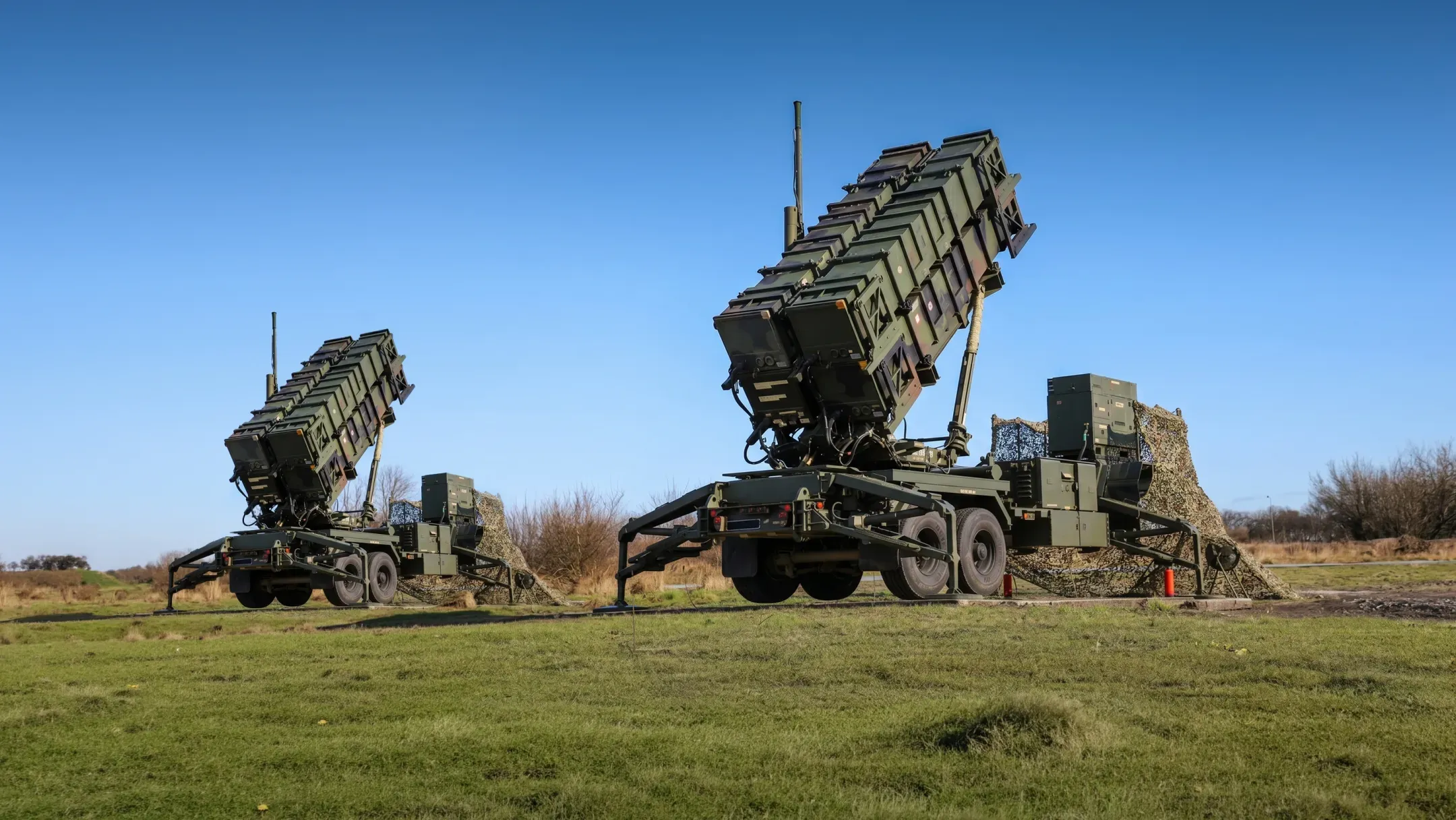
If secured, the additional funding would flow into several priority areas. Planned expenditures include air defense systems, drones, ammunition, electronic warfare equipment, and long-range strike capabilities. Part of the funds would also support purchases through NATO's Prioritised Ukraine Requirements List program and direct procurement from Ukrainian defense manufacturers.
The scale of the ask fits within a broader financial gap that independent analysts had already flagged. A European Commission presentation in April estimated Ukraine's 2026 defense shortfall at approximately €19.6 billion, even after accounting for more than $100 billion in already committed support and the EU's €90 billion Ukraine Support Loan. Ukrainian officials describe the $20 billion request as an effort to front-load funding that would otherwise trickle in over 2026 and 2027, closing the gap within the current operational cycle rather than incrementally.
Allied governments have already committed approximately $38 billion in military assistance to Ukraine this year. Adding the proposed $20 billion would bring total bilateral support close to the $60 billion target previously outlined by NATO Secretary General Mark Rutte. Ukraine's current defense budget stands at roughly $85 billion — already a record — and amounts to about 40 percent of the country's gross domestic product.
The formal request is expected to be tabled at the Ukraine Defense Contact Group meeting scheduled for June 18, a multilateral forum that coordinates financial and military support for Kyiv. The proposal is also expected to be a central topic at the NATO summit in Ankara, Turkey, set for July, where the alliance will weigh Kyiv's medium-term defense financing needs against competing domestic pressures among member states.
Russia's government has pushed back against the renewed funding drive. Russian Foreign Ministry spokesperson Maria Zakharova characterized the request as evidence of what she called "political self-harm." Ukrainian officials, however, frame the ask in blunter operational terms — arguing that sustaining the current pace of strikes requires resources that cannot wait for the next budget cycle.